
Legge RIPOST: non puoi fermare un popolo che balla
La legge RIPOST criminalizza i free party in Francia. Il 19 settembre 350.000 persone hanno risposto con la Techno Parade a Parigi. Il 24 e 25 ottobre i sound system scendono di nuovo in strada in cinque città con TeknoParade.
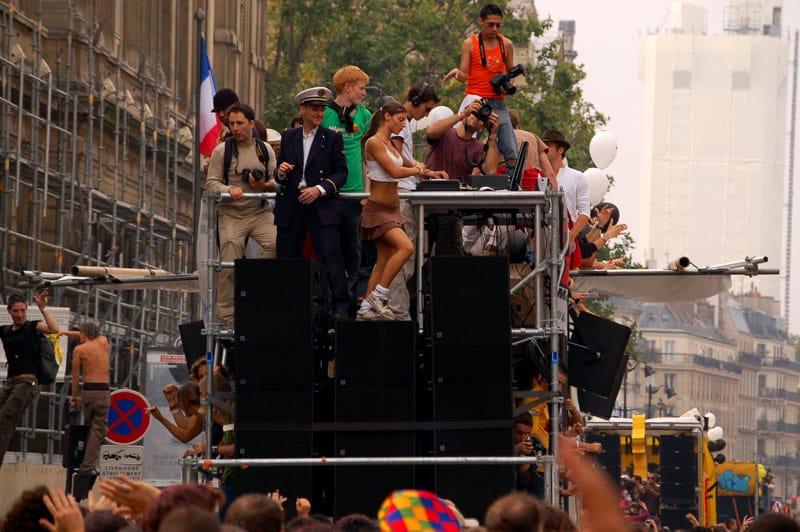
La legge RIPOST, (Loi n° 2026-798 del 18 agosto 2026), il cui acronimo sta per “Réponses Immédiates aux Phénomènes Troublant l’Ordre public, la Sécurité et la Tranquillité” (Risposte immediate ai fenomeni che turbano l’ordine pubblico, la sicurezza e la tranquillità dei cittadini), ha trasformato i free party in reato penale in Francia, e la scena underground ha risposto con la più grande mobilitazione degli ultimi anni. Il 19 settembre 2026, la Techno Parade è tornata a Parigi dopo due anni di assenza con 350.000 persone lungo Boulevard Voltaire, da Place de la Bastille a Place de la Nation. E in questi giorni un nuovo comunicato rilanciato da Tekno Anti Rep chiama la scena a scendere in strada per la TeknoParade di ottobre.

Da patrimonio culturale a reato penale
Vi ricordate quando, a dicembre dello scorso anno, il governo francese inserì la musica elettronica come patrimonio culturale immateriale della nazione? Ebbene, pochi mesi dopo ha firmato la legge RIPOST. In base a questa legge, organizzare un free party senza dichiarazione preventiva è diventato un reato penale. Le sanzioni sono severe: fino a due anni di carcere e 30.000 euro di multa. Inoltre, partecipare a un raduno non dichiarato può costare fino a sei mesi di detenzione e 7.500 euro.
In aggiunta, la soglia oltre la quale un raduno deve essere dichiarato alle autorità è scesa da 500 a 250 persone. Il Ministro degli Interni francese Laurent Nuñez ha difeso le nuove norme senza mezzi termini:
I nostri concittadini non capiscono perché queste cose accadono — le sanzioni devono essere inasprite.
La Techno Parade risponde
La Techno Parade arriva alla 26a edizione e la dedica a Detroit — la città che ha dato origine alla techno. Kevin Saunderson e DJ Minx hanno suonato sul carro sponsorizzato da Visit Detroit, tracciando una linea diretta tra i warehouse del Michigan e i boulevard parigini. Tommy Vaudecrane, presidente di Technopol — l’associazione che organizza la Parade dal 1998 — ha chiesto l’abrogazione totale della legge e l’apertura di un tavolo di confronto con gli organizzatori della scena. L’ex ministro della cultura Jack Lang, presente tra la folla, ha definito la legge “rigida e autoritaria.“
La scena free tekno contrattacca
La scena free tekno aveva già risposto a maggio, quando fino a 40.000 persone si sono radunate in un ex poligono militare vicino a Bourges — scelto deliberatamente perché situato nella circoscrizione elettorale dello stesso ministro. La polizia ha distribuito oltre 600 multe. A giugno, il collettivo Tekno Anti Rep aveva portato sound system in circa 30 città francesi in una giornata di protesta coordinata, e di recente ha lanciato un comunicato per la Tekno Parade del 24 e 25 ottobre 2026. Come abbiamo già scritto, la tekno è sempre stata politica — e la Francia lo sta imparando a sue spese.
Techno Parade o TeknoParade?
Ma la Techno Parade di Technopol e la TeknoParade dei sound system non raccontano la stessa storia.
Per il 24 e 25 ottobre, i sound system francesi hanno convocato una nuova mobilitazione in cinque città: Bordeaux, Lyon, Rennes e Strasburgo il 24, Parigi il 25. L’appello, firmato dagli attori del movimento, prende le distanze dalla Techno Parade istituzionale, accusata di capitalizzare sulla musica techno facendole perdere la sua essenza militante e politica — una dinamica che conosciamo bene. Questa, si legge nel comunicato, è una manifestazione “organizzata dai sound system” e “non da associazioni che lavorano con sponsor e istituzioni”.
Le richieste del movimento
Come si legge nel comunicato, si richiede l’ abrogazione immediata della legge Ripost, fine delle violenze e delle pratiche repressive della polizia, fine delle multe e delle ordinanze prefettizie abusive e apertura di un dialogo tra il movimento e le istituzioni. Il comunicato non si limita alla legge — documenta un’escalation che dall’estate 2026 include episodi di spari e violenze ingiustificate durante due feste da parte delle forze dell’ordine, un uso sistematico di granate lacrimogene e LBD, blocchi all’accesso ai siti quasi ogni fine settimana.
Due strade, una direzione
Entrambe le mobilitazioni puntano nella stessa direzione, ma partono da premesse diverse. Da una parte troviamo una protesta che chiede uno spazio dentro il sistema, dall’altra quella che rivendica il diritto di esistere fuori da esso. La distinzione esiste, ed è importante riconoscerla
Ciononostante, quello che conta di più in questo momento è che tu scelga di essere parte attiva di questa storia. Firma una petizione, partecipa a una manifestazione, condividi un comunicato, scendi in strada il 24 o il 25 ottobre. Ogni gesto conta, e ogni voce aggiunge peso. La repressione prospera nell’indifferenza e noi abbiamo il dovere di rispondere con il corpo, con il suono, con la presenza.
Come ha detto il deputato Pierre-Yves Cadalen intervenendo in Parlamento contro la legge RIPOST:
Non potete fermare le persone che ballano.
Il 24 e 25 ottobre, la Francia danzerà contro la repressione per le strade delle sue città.
ENGLISH VERSION
Loi RIPOST: You Can’t Stop A People That Dances
The Ripost law criminalises free parties in France. On September 19th, 350,000 people responded with the Techno Parade in Paris. On October 24th and 25th, sound systems take to the streets again in five cities with TeknoParade.
The RIPOST law has turned free parties into a criminal offence in France. As a result, the underground scene has responded with the biggest mobilisation in years. On September 19th 2026, the Techno Parade returned to Paris after two years of absence. 350,000 people marched along Boulevard Voltaire, from Place de la Bastille to Place de la Nation. And now, a new statement relaunched by Tekno Anti Rep is calling the scene back onto the streets for the TeknoParade in October.
From Cultural Heritage to Criminal Offence
Remember when, back in December last year, the French government officially recognised electronic music as an intangible cultural heritage of the nation? Just a few months later, it signed the RIPOST law. Formally known as Loi n° 2026-798 of August 18th 2026, whose acronym RIPOST stands for “Réponses Immédiates aux Phénomènes Troublant l’Ordre public, la Sécurité et la Tranquillité” (Immediate Responses to Phenomena Disrupting Public Order, Security and Tranquillity), the law makes organising a free party without a prior declaration a criminal offence. The penalties are severe: up to two years in prison and a €30,000 fine. Furthermore, simply attending an undeclared gathering can cost up to six months in detention and €7,500.
In addition, the threshold above which an event must be declared to the authorities has been lowered from 500 to 250 people. Interior Minister Laurent Nuñez defended the new measures bluntly:
Our fellow citizens don’t understand why these things happen — the penalties must be toughened.
The Techno Parade Responds
The Techno Parade reached its 26th edition and dedicated it to Detroit — the city that gave birth to techno. Kevin Saunderson and DJ Minx performed on a float sponsored by Visit Detroit. In doing so, they drew a direct line between the warehouses of Michigan and the boulevards of Paris.
Tommy Vaudecrane, president of Technopol — the association that has been organising the Parade since 1998 — called for the total repeal of the law. He also demanded the opening of a dialogue with scene organisers. Meanwhile, former culture minister Jack Lang, present in the crowd, described the law as “rigid and authoritarian.”
The Free Tekno Scene Fights Back
The free tekno scene had already responded in May. Up to 40,000 people gathered at a former military firing range near Bourges. The location was chosen deliberately, as it sits in the electoral constituency of the minister himself. Police handed out over 600 fines.
Then, in June, the Tekno Anti Rep collective brought sound systems to around 30 French cities in a single coordinated day of protest. More recently, they released a statement ahead of the TeknoParade on October 24th and 25th 2026. As we’ve written before, tekno has always been political — and France is learning that the hard way.
Techno Parade or TeknoParade? Two Different Stories
The Techno Parade by Technopol and the TeknoParade by the sound systems don’t tell the same story. It’s important to understand the difference.
For October 24th and 25th, French sound systems have called a new mobilisation in five cities. Bordeaux, Lyon, Rennes and Strasbourg will march on the 24th, while Paris follows on the 25th. The call to action, signed by actors from within the movement, deliberately distances itself from the institutional Techno Parade. Specifically, it accuses the latter of capitalising on techno music while stripping it of its militant and political essence — a dynamic we know all too well.
This mobilisation, the statement reads, is “organised by sound systems” and “not by associations that work with sponsors and institutions.”
What the Movement Is Demanding
The demands are clear and direct. First, the immediate repeal of the Ripost law. Second, an end to police violence and repressive practices. Third, an end to abusive fines and prefectural orders. Finally, the opening of a genuine dialogue between the movement and the institutions.
Moreover, the statement goes beyond the law itself. It documents a full escalation since the summer of 2026. This includes shootings and unjustified violence by law enforcement at two parties, the systematic use of tear gas grenades and LBD rubber bullets, and near-weekly blockades preventing access to sites.
Two Paths, One Direction
Both mobilisations point in the same direction. However, they start from very different premises. On one side, a protest that demands space within the system. On the other, one that asserts the right to exist entirely outside of it. The distinction is real, and it matters.
Nevertheless, what counts most right now is that you choose to be an active part of this story. Sign a petition. Join a demonstration. Share a statement. Take to the streets on October 24th or 25th. Every gesture counts, and every voice adds weight. Repression thrives on indifference — and we have a duty to respond with our bodies, our sound, our presence.
As MP Pierre-Yves Cadalen said in Parliament, speaking out against the Ripost law:
You cannot stop people who dance.
On October 24th and 25th, France will dance against repression in the streets of its cities.
Lascia un commento