
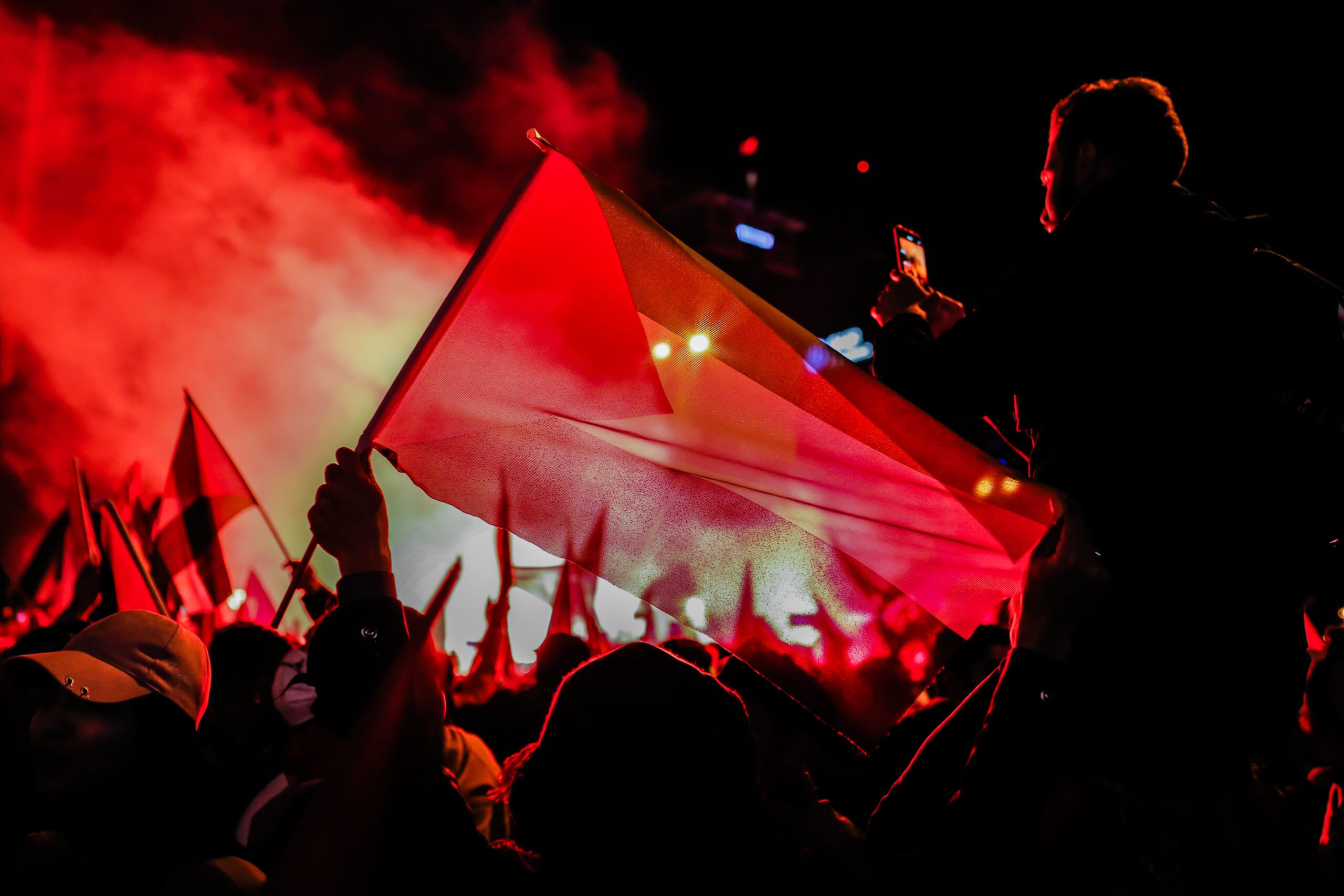
I boicottaggi pro-Palestina costano 111 milioni a Superstruct
Superstruct Entertainment registra €111,3 milioni di perdite e €109 milioni di debito aggiuntivo. La campagna globale di boicottaggio contro KKR guidata da Ravers for Palestine, PACBI e No Music for Genocide da una stangata non da poco al sistema dell’intrattenimento.
I numeri sono arrivati, e parlano chiaro. Superstruct Entertainment — il colosso dei festival europei acquisito dal fondo di private equity KKR nel giugno 2024 per circa 1,4 miliardi di dollari — ha registrato perdite per €111,3 milioni nell’anno fino a dicembre 2025, in aumento rispetto ai €77,6 milioni dell’anno precedente. Nello stesso periodo ha contratto €109 milioni di debito aggiuntivo, portando il debito totale a €392,5 milioni. Il fatturato è cresciuto del 4,4% a €825 milioni, ma i vertici aziendali sono stati costretti a cercare nuovo debito sui mercati già a maggio 2026, mentre i boicottaggi continuavano a pesare sul business.
Da Sónar a Field Day: una campagna globale
Il punto di partenza è impresso nella memoria di tutti noi, KKR investe in aziende tecnologiche e di difesa con legami con Israele, e la scena musicale internazionale ha deciso che questo non è accettabile.
All’inizio del 2025, il collettivo Ravers for Palestine ha lanciato una campagna di boicottaggio sistematica contro tutti i festival Superstruct. Il 4 febbraio 2025, il collettivo ha designato come bersagli prioritari Field Day, Flow Festival, Mighty Hoopla e Boiler Room — quest’ultimo acquisito da Superstruct nel 2025.
A maggio 2025, oltre 200 artisti hanno firmato una lettera aperta chiedendo a Field Day di prendere le distanze da KKR. Tra i firmatari: Brian Eno, Ben UFO e Robert Del Naja dei Massive Attack. Quindici artisti hanno ritirato la loro partecipazione dal festival, tra cui Midland, Roza Terenzi, Spray e Regularfantasy. Field Day ha perso quasi metà della sua lineup.
A giugno 2025, oltre 50 artisti si sono ritirati da Sónar Barcelona — inclusa la DJ e producer palestinese Sama’ Abdulhadi. Ad agosto 2025, più di 700 artisti e DJ della scena australiana hanno firmato una lettera aperta contro Boiler Room con la formula:
Non suoneremo a Boiler Room finché è di proprietà di Superstruct Entertainment e della sua società madre KKR.
Il movimento No Music for Genocide, lanciato ufficialmente il 18 settembre 2025, coordina le proprie azioni con il Palestinian Campaign for the Academic and Cultural Boycott of Israel (PACBI) — l’organo ufficiale del movimento BDS per il boicottaggio culturale. In aprile 2026 ha pubblicato una lettera aperta per un boicottaggio ancora più ampio, firmata da centinaia di artisti e label discografiche.
Gli enti che hanno sostenuto e amplificato la campagna includono: Cultural Workers Against Genocide (CWAG), PACBI, Queers for Palestine, BDS Movement, Writers Against the War on Gaza (WAWOG), Fight for the Future e boycottroom — movimento specifico nato a luglio 2025 contro Boiler Room e tutti gli eventi finanziati da KKR.
Le risposte di Superstruct: troppo poco, troppo tardi
Di fronte alla pressione, Superstruct e i suoi festival hanno risposto in modo frammentato. Field Day ha pubblicato una dichiarazione con “Free Palestine” e ha detto di “accogliere e supportare” gli artisti che vogliono esprimere solidarietà dal palco. Boiler Room ha dichiarato di essere “unapologetically pro-Palestine.” Sónar ha pubblicato un comunicato su Instagram prendendo le distanze dagli investimenti di KKR. Superstruct stessa ha dichiarato di essere “preoccupata per il benessere del suo staff” e di non tollerare pressioni su artisti e colleghi.
Nessuna di queste dichiarazioni ha fermato i boicottaggi, e si vede.
Una storia che conosciamo bene
Come abbiamo scritto nell’articolo KKR, Superstruct e la scena underground, SUM aveva già preso le distanze dal festival Monegros — di proprietà Superstruct — prima ancora che i boicottaggi diventassero una campagna globale coordinata. La logica era semplice allora come lo è adesso, quando la cultura diventa asset finanziario nelle mani di fondi che investono in contesti di guerra e occupazione, ogni biglietto acquistato e ogni cachet incassato diventano parte di una catena che non possiamo ignorare.
I dati di Superstruct dimostrano che la pressione dal basso funziona, che centinaia di artisti che si rifiutano di salire su un palco, che movimenti come Ravers for Palestine, No Music for Genocide, PACBI e CWAG che coordinano campagne globali, che una scena underground che sceglie consapevolmente dove mettere i propri piedi, tutto questo ha un peso economico reale, misurabile, documentato nero su bianco nei bilanci aziendali.
111 milioni di euro di perdite sono una risposta.

Fonti: The Telegraph · Jewish News · DJ Mag · Mixmag · IQ Magazine · Fight for the Future · Unicorn Riot · VIP Booking · 9fin
Le informazioni riportate in questo articolo sono tratte da fonti giornalistiche pubblicamente disponibili, citate nel testo. SUM non è responsabile per le dichiarazioni rilasciate da terze parti citate nell’articolo.
LEGGI ANCHE: La Tekno è Politica
ENGLISH VERSION
Pro-Palestine boycotts cost Superstruct €111 million
Superstruct Entertainment records €111.3 million in losses and €109 million in additional debt. The global boycott campaign led by Ravers for Palestine, PACBI and No Music for Genocide has real economic weight.
The numbers are in, and they speak for themselves. Superstruct Entertainment — Europe’s biggest festival group, acquired by private equity firm KKR in June 2024 for approximately $1.4 billion — recorded losses of €111.3 million in the year to December 2025, up from €77.6 million the previous year. In the same period, the company took on €109 million in additional debt, bringing total borrowing to €392.5 million. Revenue grew 4.4% to €825 million, but by May 2026 KKR was already seeking new debt on the markets as boycotts continued to weigh on the business.
From Sónar to Field Day: a global campaign
The starting point is straightforward: KKR holds investments in tech and defence companies with links to Israel, and the international music scene has decided that is not acceptable.
In early 2025, the collective Ravers for Palestine launched a systematic boycott campaign against all Superstruct festivals. On February 4, 2025, Ravers for Palestine designated Field Day, Flow Festival, Mighty Hoopla and Boiler Room — acquired by Superstruct in 2025 — as priority targets.
In May 2025, over 200 artists signed an open letter calling on Field Day to distance itself from KKR. Among the signatories: Brian Eno, Ben UFO and Robert Del Naja of Massive Attack. Fifteen artists withdrew from the festival lineup, including Midland, Roza Terenzi, Spray and Regularfantasy. Field Day lost nearly half its acts.
In June 2025, over 50 artists pulled out of Sónar Barcelona — including Palestinian DJ and producer Sama’ Abdulhadi. In August 2025, more than 700 artists and DJs from Australia’s dance music scene signed an open letter against Boiler Room, stating: “We will not play at Boiler Room while it is owned by Superstruct Entertainment and its parent company, KKR. We join artists across the globe who have boycotted events hosted by Superstruct Entertainment.”
No Music for Genocide, launched officially on September 18, 2025, coordinates its actions with the Palestinian Campaign for the Academic and Cultural Boycott of Israel (PACBI) — the official BDS body overseeing cultural boycotts. In April 2026 it published an open letter calling for an even broader boycott, signed by hundreds of artists and record labels.
The organisations that have supported and amplified the campaign include: Cultural Workers Against Genocide (CWAG), PACBI, Queers for Palestine, BDS Movement, Writers Against the War on Gaza (WAWOG), Fight for the Future and boycottroom — a movement launched specifically in July 2025 against Boiler Room and all KKR-funded music events.
Superstruct’s response: too little, too late
Faced with mounting pressure, Superstruct and its festivals responded in a fragmented and largely ineffective way. Field Day published a statement ending with “Free Palestine” and said it “welcomed and supported” artists using their platform to speak out. Boiler Room declared itself “unapologetically pro-Palestine.” Sónar posted a statement on Instagram distancing itself from KKR’s investments. Superstruct itself stated it was “concerned about the wellbeing of its staff” and would not tolerate pressure on artists and colleagues.
None of these statements stopped the boycotts. And the accounts speak for themselves.
A story we know well
As we wrote in our article KKR, Superstruct and the underground scene, SUM had already distanced itself from the Monegros festival — a Superstruct property — before the boycotts became a globally coordinated campaign. The logic was simple then and remains simple now: when culture becomes a financial asset in the hands of funds that invest in contexts of war and occupation, every ticket purchased and every fee collected becomes part of a chain we cannot ignore.
Superstruct’s figures prove that pressure from below works. Hundreds of artists refusing to take the stage, movements like Ravers for Palestine, No Music for Genocide, PACBI and CWAG coordinating global campaigns, an underground scene that consciously chooses where to put its feet — all of this carries real economic weight, measurable and documented in black and white in corporate balance sheets.
€111 million in losses is an answer.
The information reported in this article is drawn from publicly available journalistic sources, cited throughout the text. SUM is not responsible for statements made by third parties quoted in the article.
Sources: Jewish News · DJ Mag · Mixmag · IQ Magazine · Fight for the Future · Unicorn Riot · VIP Booking · 9fin
Lascia un commento